I feel like every time I dip my toes into the waters of the publishing industry I get unceremoniously washed back to shore with my swimsuit full of sand and salt water up my nose before I even start swimming. Over and over again, I finish writing a book and actually think it’s pretty good: I’m confident! Excited! Ready to take the next step! So I start looking into the process of getting published — crafting the perfect query letter and synopsis, finding an agent vs. approaching publishers directly, identifying which ones might be a good fit — and then I sink like a stone.
Here’s what most industry sites seem to want writers to know:
- Your novel is probably bad. Everyone has written one, and nearly everything that you first-time authors produce is amateurish and terrible. (Best case scenario: recycling bin. Worst case: subject of underpaid assistant editors’ gleeful mockery.)
- Agents and publishers are swimming in manuscripts. No matter how good they are, virtually none of them will even be seen, let alone published.
- To stand any chance at all, you must take as many classes as possible (an MFA in creative writing at the very least), join multiple critique groups, and hire an editor (or a few — you unpublished types probably need the extra help).
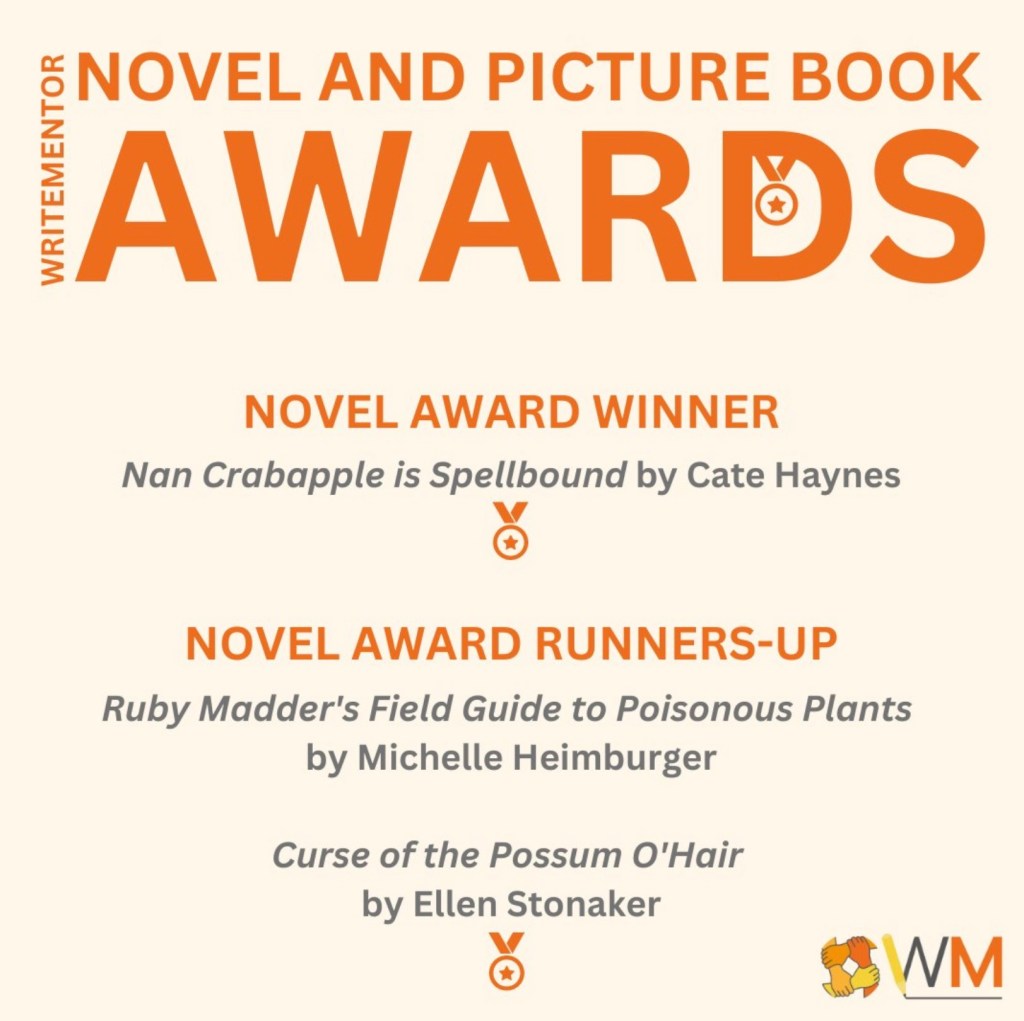
- You have to win some awards. If you haven’t won anything no one will even look at your manuscript. (Unless you’re a celebrity. Are you a celebrity? No? Bad luck.)
- You must read everything in your genre/market and be familiar with all recent and upcoming trends and titles. Your story must completely different and better than all of them.
- You need an established online brand and a massive, devoted social media following. (If you’re not spending two hours a day on Twitter, you’re just not trying.)
- It’s vital to attend conferences regularly and make as many industry contacts as possible, including but not limited to agents, publishers, editors, editorial assistants, and published authors with strong sales records.
- You must have glowing personal references from top-tier agents or bestselling authors. (That should be easy since you’re now BFFs.)
- Without these things you will not be published unless you’re the one-in-a-million fluke who’s miraculously written something amazing through some sort of cosmic serendipity or divine intervention and also the stars happen to align perfectly. (But you’re not, you haven’t and they won’t.)
Whew. So I brush the sand out of my eyes and start thinking how I’d better get to work on all of that stuff first, before I even consider inflicting my work on anyone else. Sure thing. Easy peasy. Only … I’d rather be, you know, writing. All of that research, online schmoozing and author-stalking takes way more time (and possibly superhuman abilities) than I have. It sounds exhausting. And I’m sure that’s the point: Weed out the easily scared before they even have a chance to add to the industry’s workload.
At this point I often have a terrible thought — a glimmer of not-quite-dead-yet confidence — that maybe those things don’t all apply to me. Of course agents get inundated with terrible submissions from people who haven’t even bothered to proofread and haven’t read enough books to know the basics of storytelling (or the basics of grammar). Except those people are probably having the exact same thought, which means … oh no, I’m one of them! I’ve written a terrible book and can’t even see how bad it is. That’s proof that it’s terrible!
After that I’m ready to just bury my manuscript and move on. The problem is that I keep getting hung up at that stage. Finish book, get excited, do research, despair. I don’t even get to the stage where I actually send things out to get rejected for real — I’m self-rejecting before the professionals have a chance to do it. It’s not that I’m afraid of rejection so much as I’m so sure of it that I just cut out the middleman.
After several times through this cycle, though, I might finally break it. My endlessly patient husband stopped me at the beginning of the Despair phase this time, very reasonably pointing out that this isn’t my first novel, I have taken classes and done critiques, I have done market research, and I’ve already made revisions based on feedback from readers. He also calmly reassured me that test readers have busy lives and there are plenty of reasons why someone might ask to read my manuscript and then never mention it again (reasons beyond my theory that they did read it, but they hated it so much that they can’t even bring themselves to tell me they hated it). And he reminded me that the test readers I have heard from said nice things and gave helpful feedback. Maybe, he suggested, I should trust the positive responses for once and stop assuming that silence is negative.
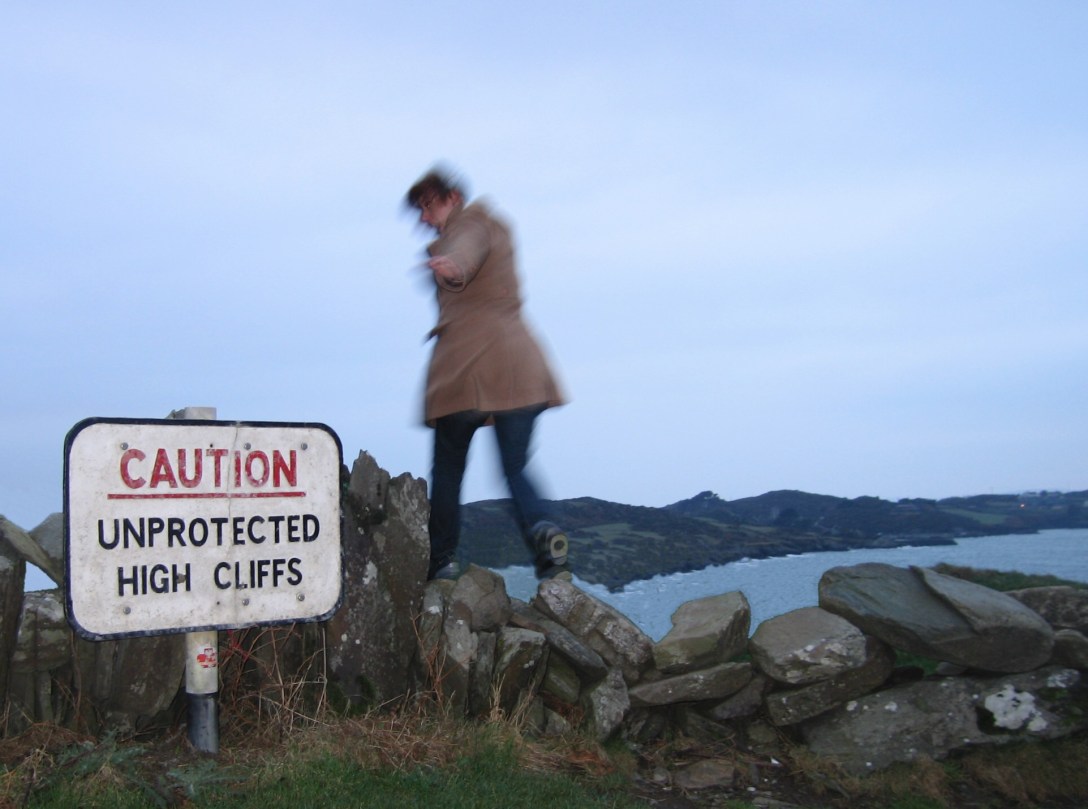
So I know I’m never going to have two hours a day to spend on Twitter and I have no interest in schmoozing strangers simply for the sake of making industry contacts. But I’ve put a lot of work into this book (and all the ones that came before) and each one benefits from the lessons I learned on the last. It probably will get rejected, because most submissions do, but that’s no reason not to give it a shot. Maybe it’s time to stop worrying about getting every possible thing perfect according to someone else’s standards and, to return to my lame ocean metaphor, just dive in…



 michelle heimburger